
A Guide to Apostilles: Simplifying International Document Authentication
SH
Understanding the complexities of international document authentication can be daunting. Whether you're moving abroad, conducting business, or pursuing education in another country, you may encounter the need for an apostille. This guide aims to simplify the process of obtaining an apostille, ensuring you can navigate international requirements with ease.

What is an Apostille?
An apostille is a certification that authenticates the origin of a public document. Issued by a competent authority, it is used to verify the authenticity of documents for international use. The apostille ensures that your documents are recognized in all countries that are part of The Hague Apostille Convention.
Why Do You Need an Apostille?
If you're planning to use documents such as birth certificates, marriage licenses, or academic credentials abroad, an apostille may be necessary. This certification verifies that your documents are legitimate and can be trusted by foreign authorities. It's an essential step in various processes, from legal matters to immigration.

The Apostille Process
Obtaining an apostille involves several steps. First, ensure your document is a true copy or original. Then, submit it to the appropriate issuing authority in your country. In many cases, this will be a government office or a designated organization. After verification, the apostille is affixed, certifying the document's authenticity.
Documents Eligible for Apostille
Not all documents require an apostille. Typically, public documents such as court orders, administrative documents, and notarized documents may need one. Here’s a list of common documents eligible for apostille:
- Birth and death certificates
- Marriage certificates
- Academic diplomas
- Business agreements
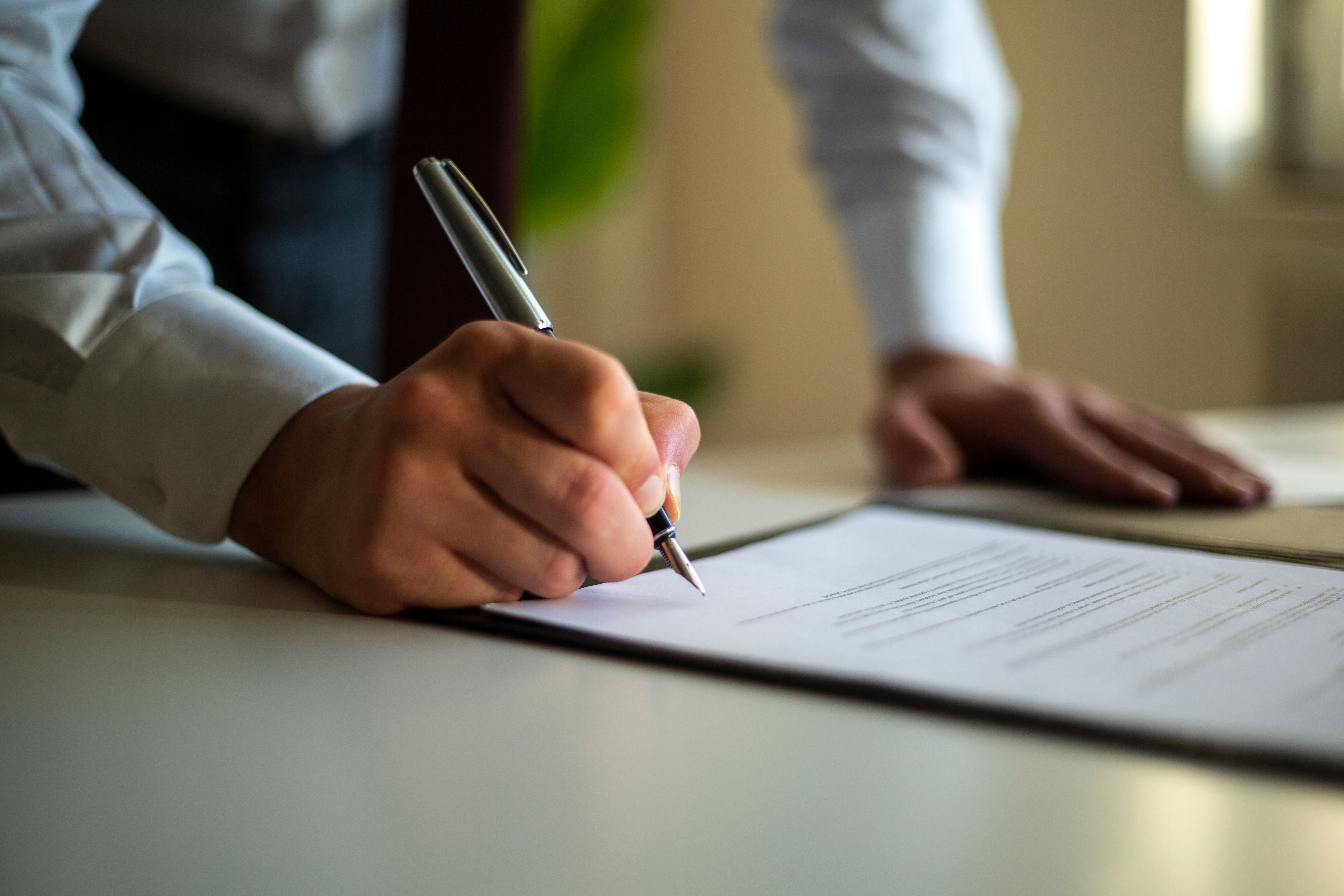
Tips for a Smooth Apostille Process
To ensure a smooth experience, start by confirming the specific requirements of the destination country. Some countries may have unique stipulations, so it's wise to check beforehand. Additionally, prepare all necessary documents in advance and verify that they are correctly filled out and signed.
Common Challenges and Solutions
Delays and rejections can occur if documents are not properly prepared. To avoid these issues, double-check all paperwork for completeness and accuracy. Engaging a professional service that specializes in apostilles can also help streamline the process and prevent errors.

Conclusion
While the apostille process may seem complex, understanding the steps and preparing accordingly can simplify matters significantly. By ensuring your documents are authenticated, you can confidently manage international affairs, whether personal or professional. With this guide, you're better equipped to handle the intricacies of document authentication.